How Many Days Do You Really Need for the Sahara?
Three days is the minimum and is genuinely rushed — you spend most of it driving. Four days is the recommended starting point; five days adds the single most valuable day on the journey: a full free day at the dunes with nowhere to go. The honest answer depends on what you are willing to trade off.
Read the full answer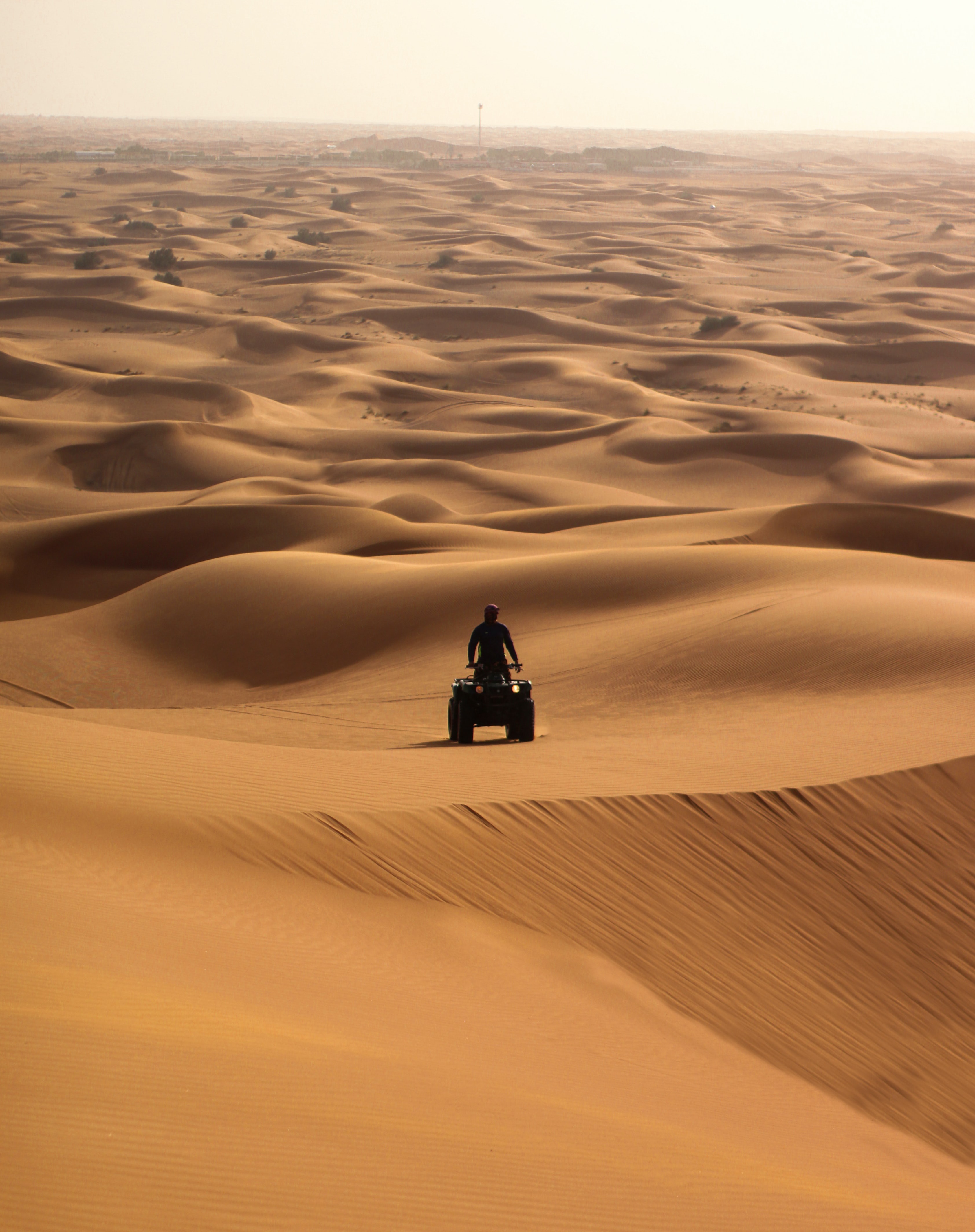
Is a 3-Day Marrakech to Merzouga Tour Too Rushed?
The 3-day route is 560km each way — around 7–9 hours of driving per day. You arrive at the Sahara on Day 1's evening and leave on Day 2's morning. The gorges at Dades and Todra become drive-through transitions rather than destinations. It is possible. We will tell you honestly what you are trading for the shorter schedule.
See the 3 & 4-day route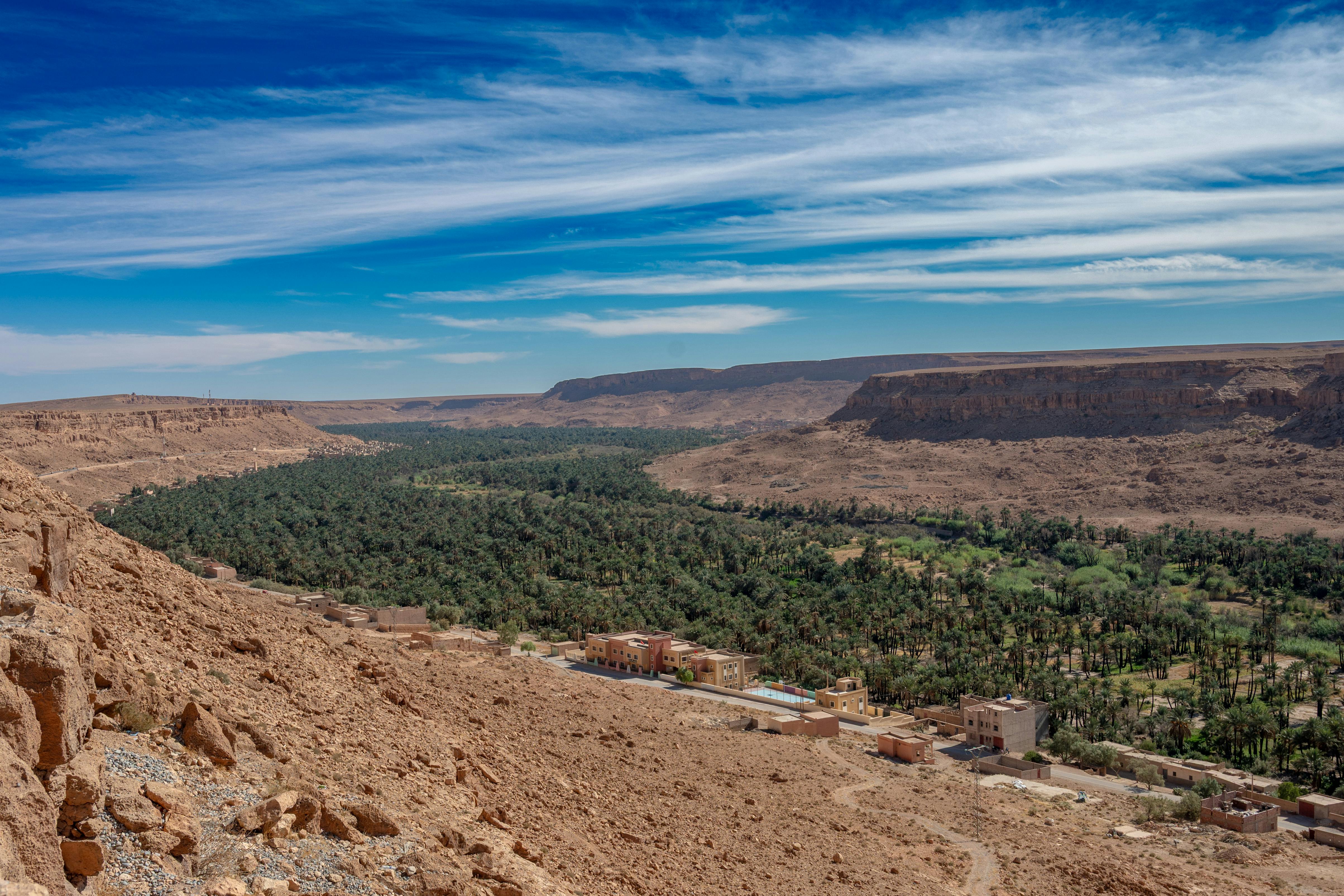
Marrakech to Merzouga vs Fes to Marrakech via Sahara
Both are valid. The Marrakech departure is shorter and suits travelers with a 4–5 day window from a single base. The Fes to Marrakech circuit is a one-way crossing that approaches the Sahara through the extraordinary Ziz Valley gorges — better suited to travelers with different arrival and departure cities and 5–7 days available.
Compare both routes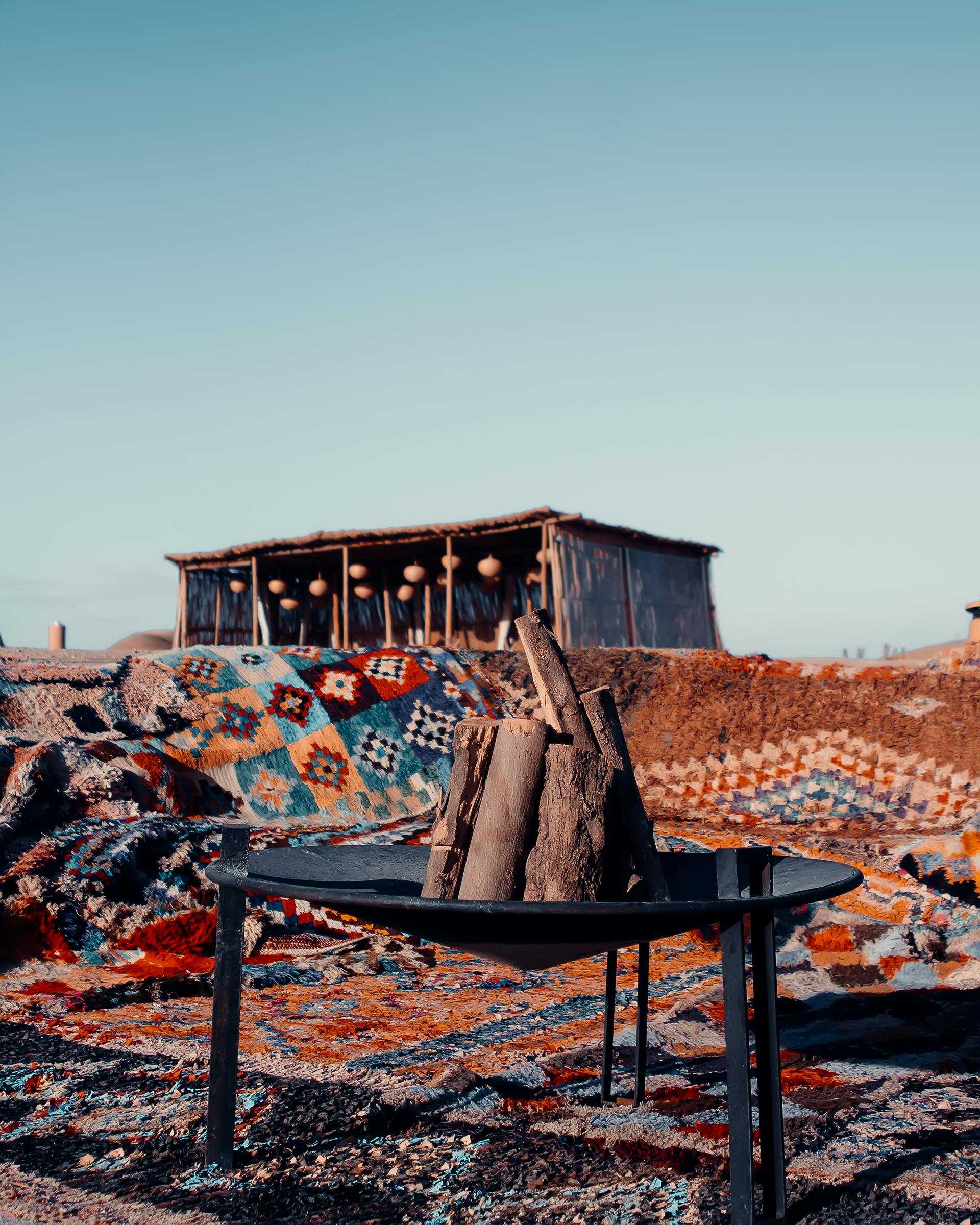
What Desert Camps in Merzouga Are Really Like
The photographs are accurate — the dunes really do look like that, the sky really is that dark. What photos don't show: the difference between standard, comfort, and premium levels is significant; sand gets into everything; the main camp zone in peak season is not secluded. Knowing what to expect makes the experience better, not worse.
Full camp guide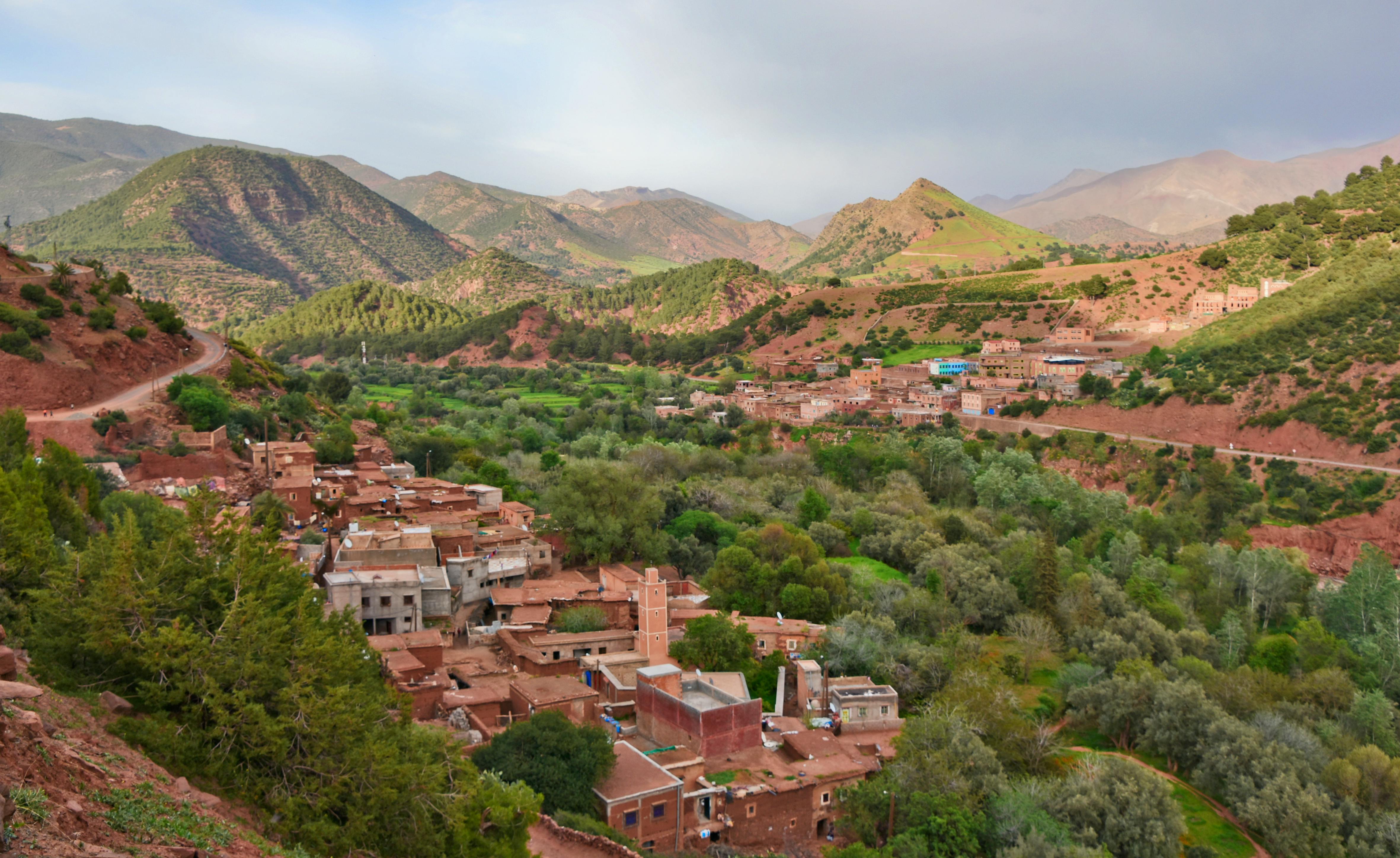
Best Time to Visit the Sahara Desert in Morocco
October, November, March, and April offer the best balance of comfortable temperatures, manageable crowds, and good dune light. Summer (July–August) can reach 46°C and limits outdoor time to two hours in the morning and evening. Winter nights near the dunes drop to near freezing — beautiful, but you need warm layers. No month is perfect; every one involves a trade-off.
Month-by-month breakdown
Private Sahara Tour vs Shared Group Tour
Group tours (8–12 people, shared minibus) cost significantly less per person and are a legitimate option. Private tours cost more because the vehicle, driver, schedule, and accommodation choices are exclusively yours. The most relevant difference is flexibility — private means you stop where you want, leave when you decide, and choose accommodation that fits your actual preferences rather than the group's budget average.
How private pricing works
What Affects the Price of a Private Desert Tour?
Four variables drive the price: number of days (which determines vehicle and driver cost), comfort level (which determines accommodation cost — the biggest single variable), group size (a larger group brings the per-person price down significantly), and route geography (unusual locations or very long driving days add cost). Understanding these lets you compare quotes from different operators honestly rather than just comparing headline numbers.
Full pricing explanation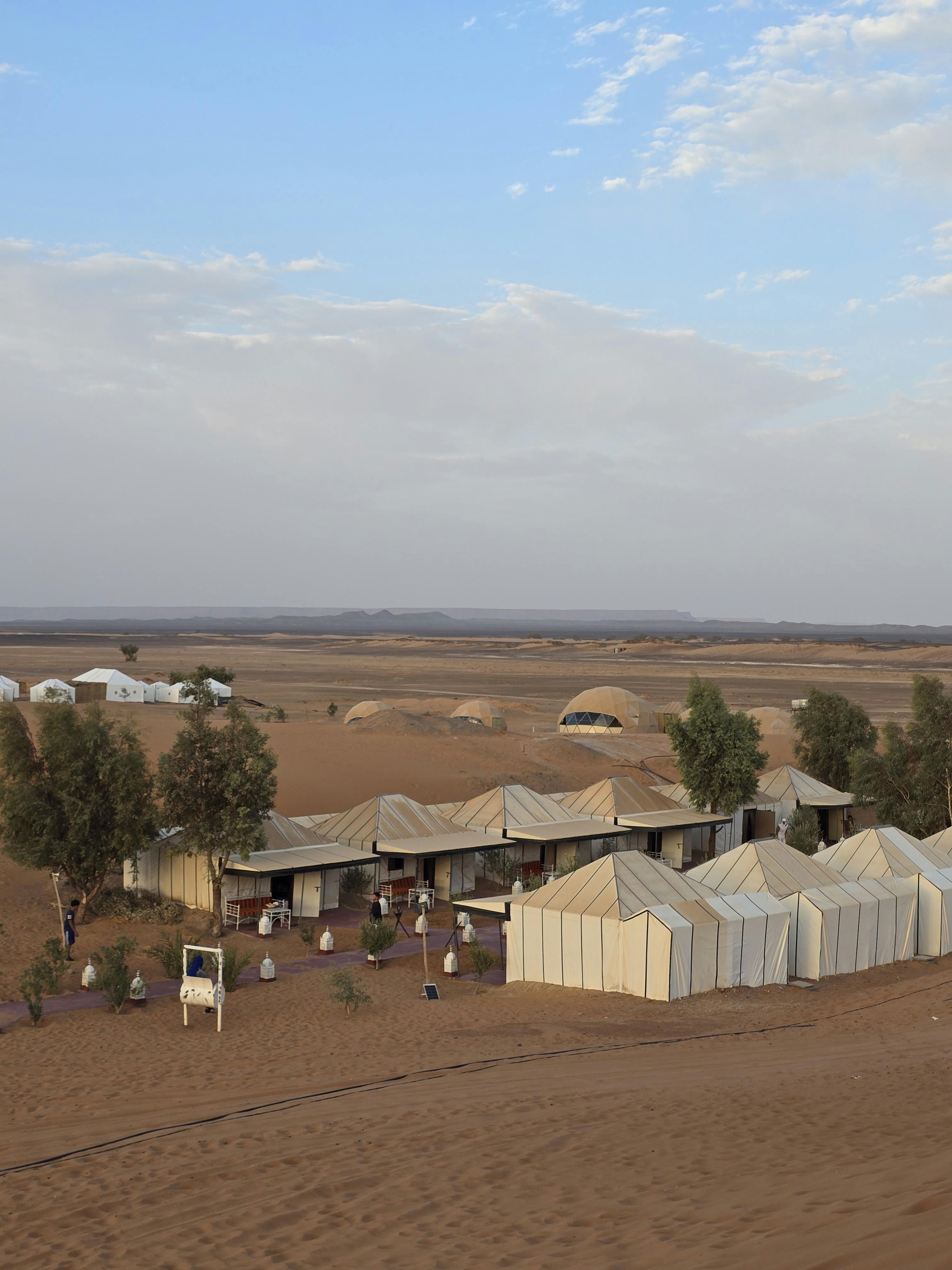
What to Pack for a Sahara Desert Journey
The essentials are not obvious: a Berber keffiyeh scarf (protects against sun and wind-blown sand, costs a few euros in any Moroccan market), closed walking shoes rather than sandals, a power bank, and season-appropriate layers. What to leave behind: rolling suitcases (they don't work on desert tracks), anything fragile, and anything you cannot afford to get sand-damaged. The packing list differs significantly between summer and winter.
Full packing guide
Common Mistakes Travelers Make When Booking Desert Tours
The most frequent: booking three days when five is needed, choosing camp by Instagram photographs rather than asking about location and facilities, arriving in July without knowing what 44°C means for outdoor plans, and rushing through Dades and Todra on the same day as a transit stop. These are all easy to avoid with accurate information before booking.
All 10 common mistakes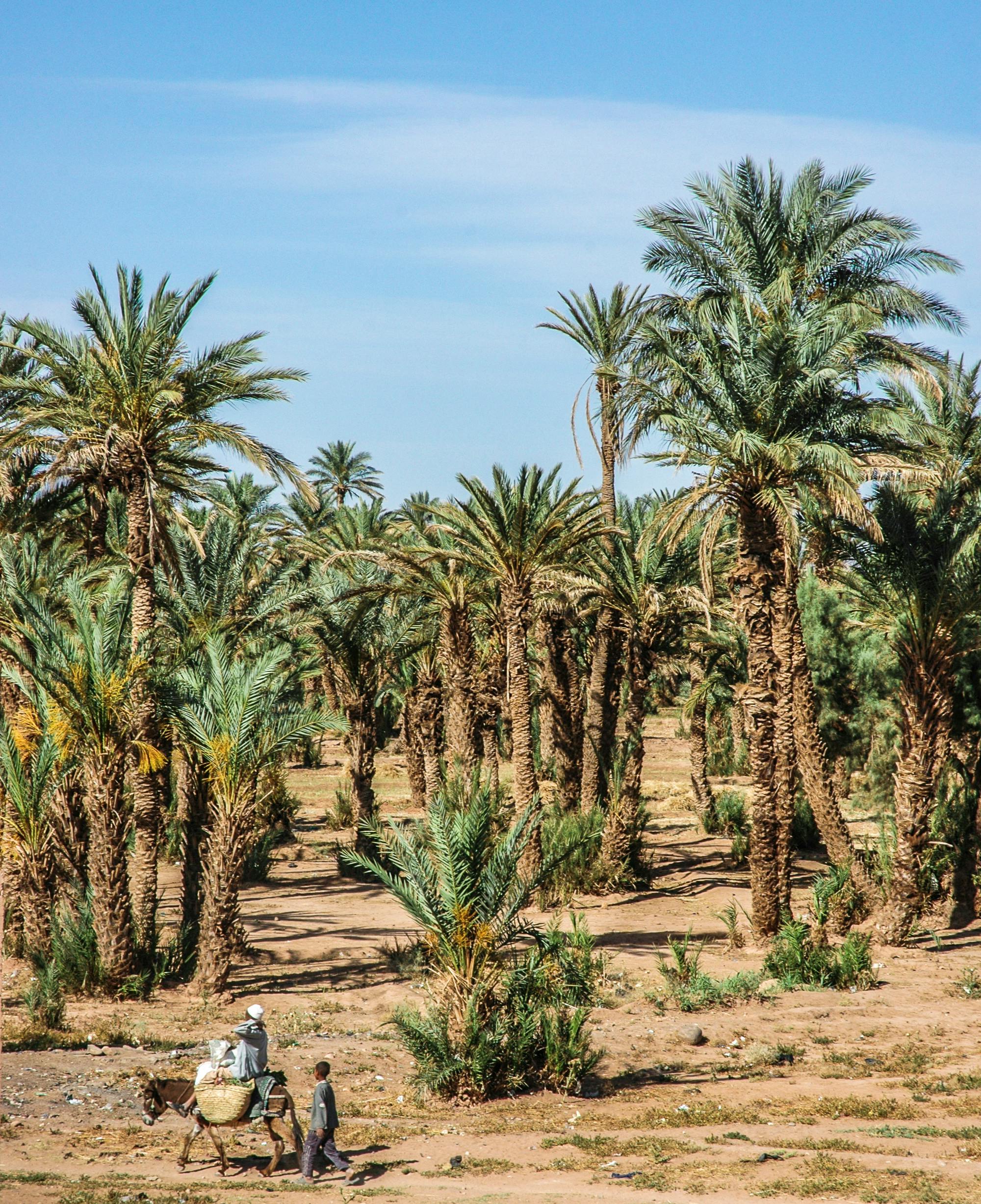
Why Rissani and the Tafilalet Matter on a Sahara Route
Most Sahara itineraries stop at the dunes and return without including Rissani — the ancient capital of the Tafilalet, 23km from Merzouga. The town has a centuries-old souk (Sunday, Tuesday, Thursday), significant historical connections to the current Alaoui dynasty, and the nearby palmery is one of the largest in Morocco. The Gnawa village of Khamlia, 4km south of Merzouga, is equally missed. Taoufiq grew up in Rissani — we visit it as locals, not as a tourist stop.
The Tafilalet chapter